Laser Tattoo Removal vs Other Methods
Updated Jul 2026 · 3 min read
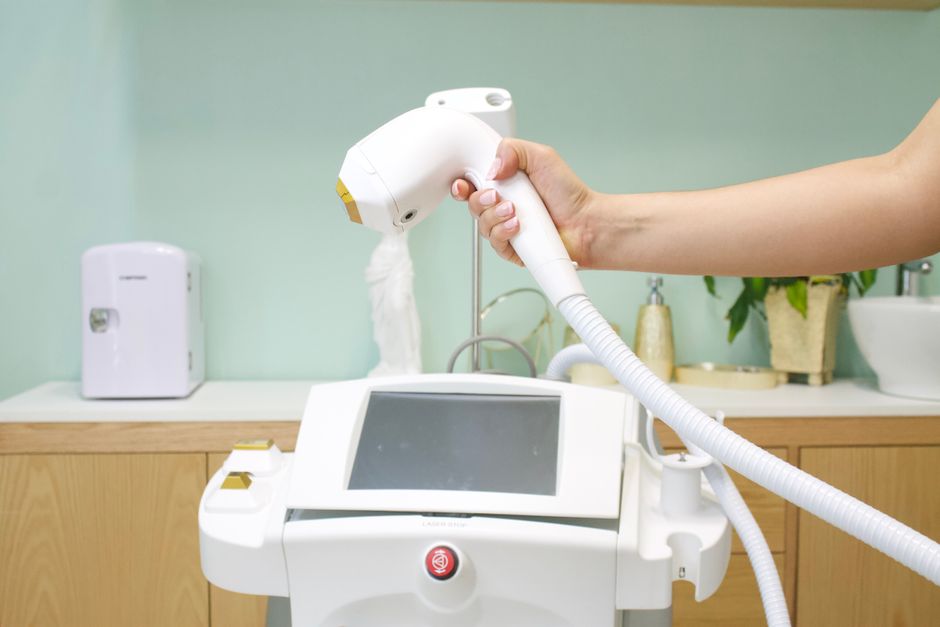
Not all removal is the same
When people picture getting a tattoo removed, they often imagine a single technique — but a few different methods exist, each with its own trade-offs. Understanding how they compare helps you see why laser treatment has become the default at most clinics, and what the alternatives really involve.
Laser treatment: the modern standard
Laser tattoo removal uses focused light to break tattoo ink into tiny particles that your body gradually clears. Its main advantage is precision: it targets the ink while aiming to spare the surrounding skin. Because different wavelengths address different ink colors, well-equipped clinics can treat a range of tattoos with this approach.
The trade-off is that laser removal is gradual, requiring a series of sessions spaced out over time rather than a single visit. For most people seeking a local clinic, though, laser is the go-to because it balances effectiveness with an emphasis on protecting the skin.
Surgical excision
Excision involves a surgeon physically cutting out the tattooed skin and stitching the area closed. Its appeal is directness — the ink is removed rather than gradually broken down. However, it leaves a scar and is generally suited only to smaller tattoos. Because it's a surgical procedure, it's far less commonly offered as a routine removal option and comes with its own recovery considerations.
Dermabrasion
Dermabrasion works by sanding away layers of skin to remove ink. It's an older approach that has become less common as laser technology has advanced. Results can be unpredictable, and healing involves caring for a raw, resurfaced area. Most people researching removal today will find laser clinics far more prevalent.
Removal creams and at-home kits
You'll see creams and home kits marketed as easy tattoo removal, but these are generally not considered reliable and can carry risks for your skin. Tattoo ink sits deep in the skin, beyond where a topical product typically reaches, which is why professional treatment exists in the first place. Approach at-home claims with healthy skepticism, and when in doubt, talk to a professional.
Why laser leads the pack
For the combination of targeting ink, working across many colors, and prioritizing the surrounding skin, laser treatment is why most clinics — and most people — choose it. It asks for patience across multiple sessions, but that gradual approach is part of what makes it the mainstream option.
Choosing what's right for you
The best way to understand which method suits your tattoo is a consultation with a qualified provider. A good clinic examines your ink and skin, explains the options they offer, and sets realistic expectations. As you compare local clinics, ask which methods they provide and why they recommend one for your situation. An honest, thorough answer is a sign you've found a provider worth visiting.